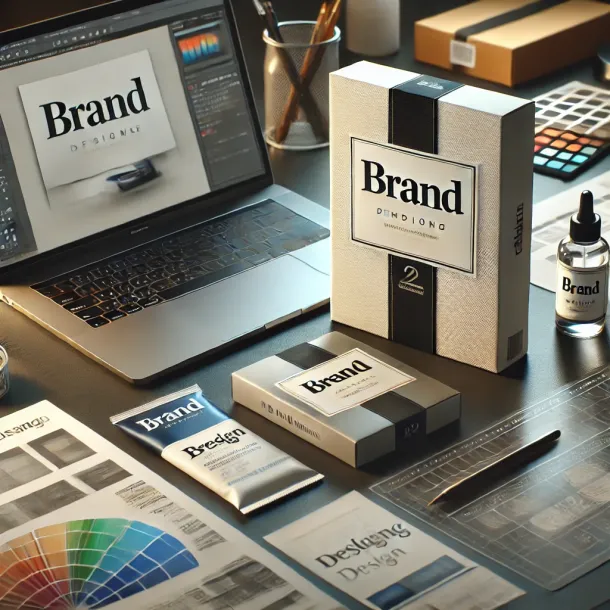
Portfolio that stands out: 10 “easy” projects to start and prove your skills
Portfolio that stands out: 10 “easy” projects to start and prove your skills
A strong beginner portfolio isn’t about having famous clients—it’s about showing that you can solve real problems with clean, consistent design. Hiring managers and clients want proof that you understand basics like hierarchy, typography, spacing, and consistency, and that you can communicate decisions clearly.
Below are 10 beginner-friendly projects that look professional when done well. Each one includes a clear goal, what to produce, and what skills it demonstrates, so you’re not just making random screens—you’re building a portfolio with intention.
1) Social media template system (10–15 templates)
What you’re building: a reusable set of Instagram (or TikTok/LinkedIn) templates for a brand.
What to deliver:
- 10–15 template layouts (feed + story)
- 1 “brand kit” page (colors, type styles, spacing rules)
- 6 examples filled with real content
Skills you show:
- layout consistency and hierarchy
- typography control (sizes, weights, line-height)
- grid discipline and spacing
- brand cohesion across multiple pieces
Pro tip: Make templates modular (header, content block, CTA, footer). A system looks more advanced than single posts.
2) Ad creative mini-campaign (6–12 variations)
What you’re building: a set of ad creatives for one product/service with multiple messaging angles.
What to deliver:
- 3 core concepts (angles)
- 2–4 variations per concept (total: 6–12)
- versions for at least two placements (feed + story)
Skills you show:
- designing for attention and clarity in mobile scrolling
- iteration and A/B thinking
- messaging hierarchy and CTA visibility
Suggested angles:
- Pain → Solution
- Main benefit
- Social proof / results
3) Landing page (single-page) for a fictional brand
What you’re building: a conversion-focused landing page.
What to deliver:
- desktop + mobile layout
- sections: hero, benefits, social proof, FAQ, final CTA
- a small component set (buttons, inputs, cards)
Skills you show:
- web layout structure and responsive thinking
- UI consistency (components, spacing, typography scale)
- conversion-focused hierarchy (clarity over decoration)
Pro tip: Keep the hero crystal clear: headline, value prop, supporting line, primary CTA.
4) “Before & After” redesign of a small website homepage
What you’re building: a redesign of a real homepage that’s cluttered or outdated.
What to deliver:
- screenshots of the “before”
- redesigned “after” (desktop + mobile)
- a short rationale: 5–8 bullets explaining key improvements
Skills you show:
- ability to identify visual problems (hierarchy, spacing, clutter)
- practical redesign decisions
- communication and design reasoning
5) App screen set (5 screens for a simple flow)
What you’re building: a mini app UI for a complete, small user flow.
Flow ideas:
- sign up → onboarding → home → details → checkout
- browse → search → filter → product → add to cart
- login → dashboard → create → preview → share
What to deliver:
- 5 screens + at least 3 states (loading, empty, error)
- a small system: type scale, color styles, components
Skills you show:
- UI fundamentals (spacing, patterns, components)
- UX clarity (flow logic)
- consistency across screens
6) Design system starter kit (small but real)
What you’re building: a lightweight design system for a fictional brand.
What to deliver:
- color palette + usage rules (primary, neutrals, accent)
- typography scale (H1/H2/body/caption)
- buttons (primary/secondary, hover/disabled)
- inputs, cards, badges
- spacing scale (for example: 4/8/12/16/24/32)
Skills you show:
- systematic thinking and consistency
- component building
- real-team design habits
7) Email newsletter design (3 emails)
What you’re building: a mini email series for a brand.
What to deliver:
- welcome email
- promo/announcement email
- content/newsletter email
- mobile-friendly layout considerations
Skills you show:
- designing for readability and scanning
- typography hierarchy and spacing
- designing inside constraints (email design has real limitations)
8) E-commerce product page (PDP) redesign
What you’re building: a clean product detail page that helps people decide faster.
What to deliver:
- desktop + mobile PDP
- image gallery, price, variants, shipping/returns, reviews, FAQ
- sticky add-to-cart (optional)
Skills you show:
- e-commerce UX fundamentals
- information hierarchy and trust-building design
- component thinking and layout structure
9) Brand identity mini-kit (logo optional, system required)
What you’re building: a small identity package for a fictional brand.
What to deliver:
- brand story (2–3 lines), tone (3–5 adjectives)
- colors + typography
- patterns/shapes style
- 6 mockups: social post, ad, business card, header, packaging label, simple landing hero
Skills you show:
- consistency and brand thinking
- art direction and visual language
- applying a system across formats
10) Presentation deck (8–12 slides) for a product pitch
What you’re building: a clean slide deck that communicates clearly.
What to deliver:
- 8–12 slides: title, problem, solution, features, how it works, proof, pricing, CTA
- consistent grid + typography rules
Skills you show:
- information design (structure and clarity)
- layout consistency and restraint
- real-world business communication
How to make these projects look more “senior” (even if they’re easy)
Add a mini case study to each project:
- Goal: what the design needs to achieve
- Audience: who it’s for
- Constraints: format, platform, tone, timeline
- Decisions: 3–6 bullets explaining what you did and why
- Final: visuals and exports
Show variations, not just one final:
- version A and B
- different headlines and hooks
- different hero layouts or creative directions
Prove consistency with a system snapshot:
- type scale
- colors
- components/templates
- spacing rules
Keep the portfolio tight:
- 3–5 strong projects beat 15 messy ones
Conclusion
These 10 projects are “easy” because you don’t need clients or advanced skills to start, but they’re powerful because they mirror real work. If you execute them with strong hierarchy, clean typography, consistent spacing, and clear reasoning, your portfolio will look professional fast.
A beginner portfolio that stands out doesn’t shout—it proves, project by project, that you can deliver clear, consistent, real-world design.
Relacionados